

We’ve been talking a lot about LinkedIn lately. Still, many people regard it as a rigid platform performing best for B2B. But with the Covid-19 outbreak and changes in how people use the internet, it’s becoming more H2H (human to human) every day.
Often people ask me if LinkedIn is the right platform for the FMCG industry. Regardless of the industry, my answer is YES, but used the right way.
The brand/company has to build a strong presence online. But to increase visibility, increase top of mind and brand awareness, and increase the KLT Factor (Know, Like, and Trust Factor.), the company needs employee’s support. Not doing this is the main mistake I see companies make – they invest in building a strong online presence, assign a person to work on their LinkedIn business page, but they neglect the employee amplification potential.
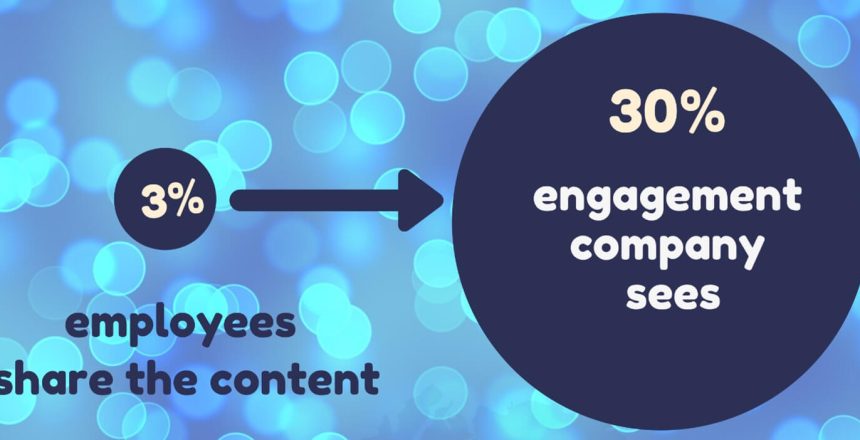
Did you know that only 3% of employees share the company’s content, but they are responsible for 30% of the engagement the company sees?

There are three steps to secure the success of an FMCG company’s business page on LinkedIn:
- Build a strong company page
- Make sure your employee’s profiles are updated, optimized and reflect your company’s culture and branding
- Employee advocacy
Building a strong company page
The company page has to reflect your branding visually. Not only the logo as your page picture but also through cover photo and the content. Make sure you get the picture dimensions right. If you are a company with some strong brands that generate a lot of compelling content, think about creating a Showcase page for specific brands.
When writing the description of your company, tell your story. Don’t just go and copy the About section from your webpage. In this part, consider your audience: who do you serve, what are their issues, and how can you help? And don’t forget to put your contact information in this section.
When someone visits your company’s page, they see all the employees associated with your company. Be sure that their profiles look good, and they are attached to your company and reflect the company’s culture.
Make sure you don’t only share job posts. Your company page should be full of compelling, useful content and a resource your employees go to to find content and share.
The amplification of your business page continues with the next steps.
Optimized LinkedIn profiles for Employees
When a person is associated with your company on LinkedIn, you want it to show professionalism. You should make sure your employees have their profiles up to date, using the right keywords in their Summary and Experiences section. You’d want to go a step further and prepare templates that reflect your company for their background pictures. Make sure your employees attach themselves to your company page. I will go into detail on how to optimize your profile in another article. You probably know by now that your employees are your biggest asset- this is also true on LinkedIn.
Employee advocacy
One of the best ways is to create an advocacy program with the strategy. The thing to highlight here is the fact that your employees own their profiles. So you have to make sure they know that it will be beneficial to them to share the content; it will build their professional reputation, and they will impact the business. I recommend that companies have the Social media policy where they explain to employees what can be done on social media and especially what not.
Once you’ve taken care of personal profiles reflecting your company’s voice and branding, you should make sure your employees have access and are informed about company updates across all channels. You should also set up a depository with the media (PDFs. Word documents, images, videos, smaller documents) they can use either in their profile optimization or as their content.
One of the ways to make sure your employees share your content is by informing them periodically what you’ve published, where it was published, and what you would like them to share, maybe setting up an email campaign for that. If you are not doing that, try it once and see the Analytics.
One step many companies are neglecting is the emails; think about how many emails your employees send out daily. Make sure you link your LinkedIn company page to the signature of every employee.
And now let’s see how some companies do on LinkedIn.
Sarajevski kiseljak https://www.linkedin.com/company/sarajevski-kiseljak/
The company set the profile the right way. They have a little more than 300 followers, and from the number of employees linked to the company page, they are a good company.
They post occasionally. The shared content is good; what is lacking is consistency (on average, they post once a month). I am sure there would be more engagement, brand recognition, and trust if they could get the employees involved in sharing the content. And to make the brand more human they – introduce the employees into their posts – interviews, recognitions.
Violeta https://www.linkedin.com/company/violeta-d.o.o./
My favorite color is purple, so I am a bit partial – I love their branding. I like the way they use color branding in almost every picture. They have several native videos posted that generate good engagement. They could do even better if they’d add captions to videos as many people consume the internet without the sound – this way, they will trigger interest in more viewers.
They could add more interviews with employees, recognize employees, and introduce the employee advocacy plan. It would add to their reach, recognition, trust, and purchases.
BH Telecom https://www.linkedin.com/company/bh-telecom-d-d–sarajevo/
I know it’s not an FMCG brand, but I was randomly looking for Bosnian companies on LinkedIn.
Another example of good color branding – many of their posts contain the distinctive orange color. They are consistent with posting, once to twice a week. They combine different rich media in their posts, but their engagement shows their employees don’t add to the profile as they could. Like with the two previous companies – adding a human touch with more posts, including employees, and introducing an employee advocacy plan.
If you have any questions, don’t hesitate to contact me.
Barbara Imenšek